Why Join an Art Community?
Painting alone can feel isolating. You're working on technique, sure, but you're missing something crucial — feedback from other artists who understand what you're trying to do. When you join an art community, you're not just getting painting buddies. You're finding people who push you to try new things, who celebrate your progress, and who make the whole experience feel less lonely.
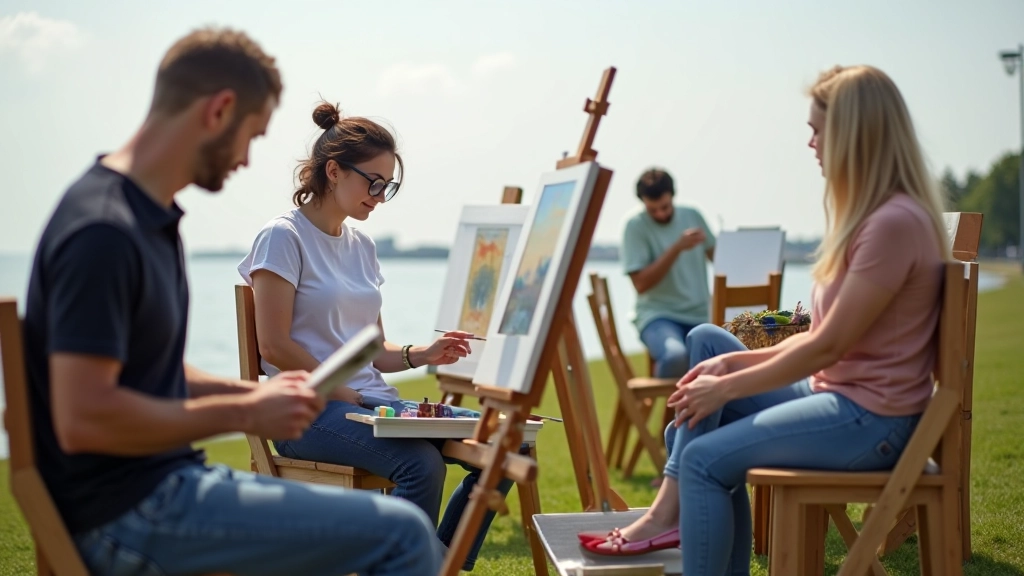
In Liepāja, we've got a growing number of plein air groups that meet regularly along the coast and in neighborhoods like the Old Town. These aren't stuffy art societies — they're practical gatherings where you'll actually paint outdoors with other people at your level. Most groups have 5-15 regular members, though numbers fluctuate with the seasons. That's the sweet spot. Big enough to learn from others, small enough to actually talk and share tips.
Where to Find Local Groups
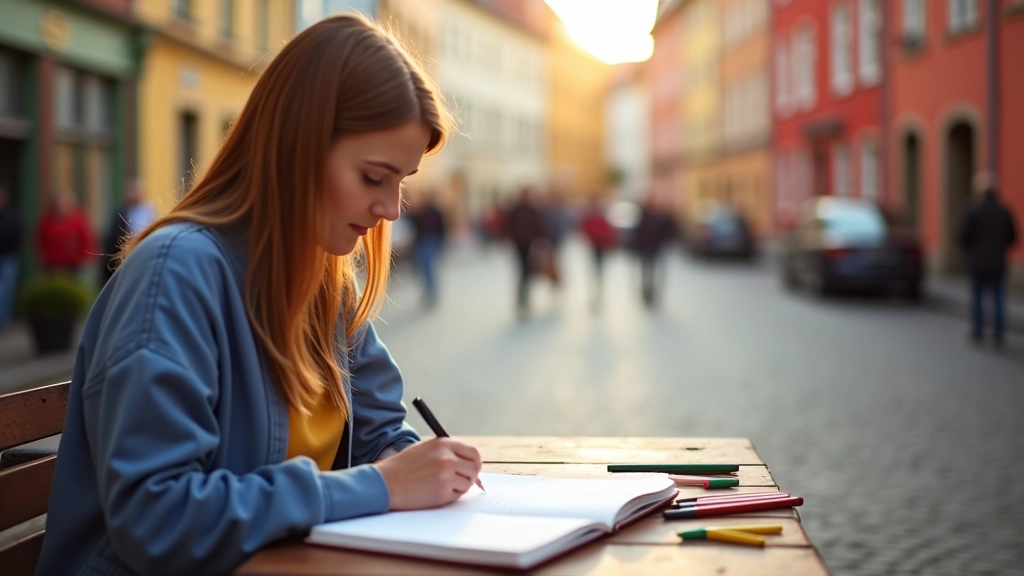
Start with the obvious places. Check Instagram — search for tags like #liepajapleinair or #latvianartists. You'll find photos from sessions, names of organizers, and locations. It's actually pretty active if you know where to look. Most groups post their meeting times a week in advance, so you can plan around your schedule.
Then there's Facebook. Latvian artists love Facebook groups. Search "Liepāja Art" or "Plein Air Latvia" — you'll find community pages with event announcements. Don't worry if they're mostly in Latvian. The logistics are usually clear: date, time, location. You can translate the rest.
Visit local art supply stores. They often have bulletin boards with group information, and staff usually know who's painting when and where. Plus, you'll find out about workshops and organized painting days.

Getting Ready for Your First Session
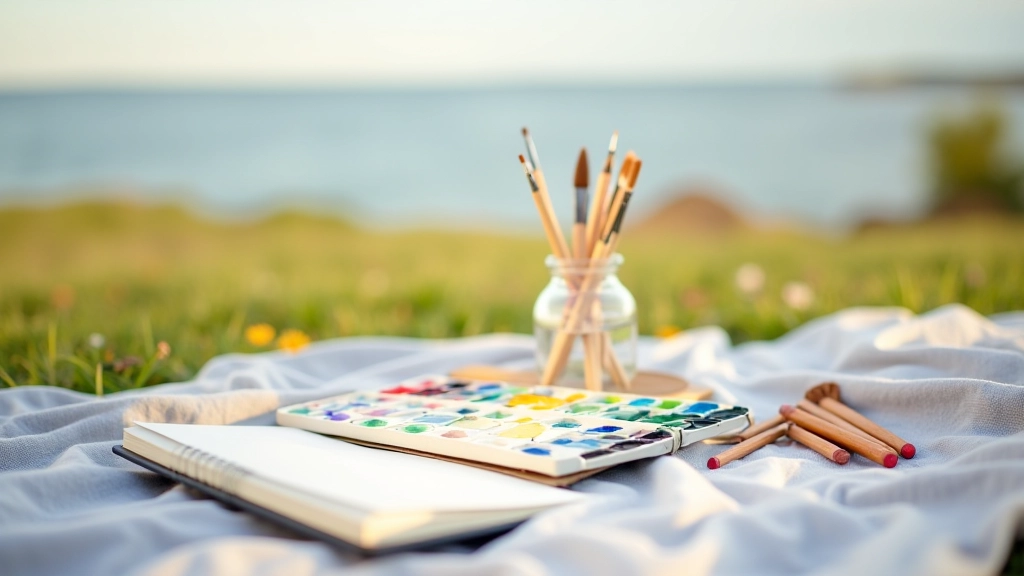
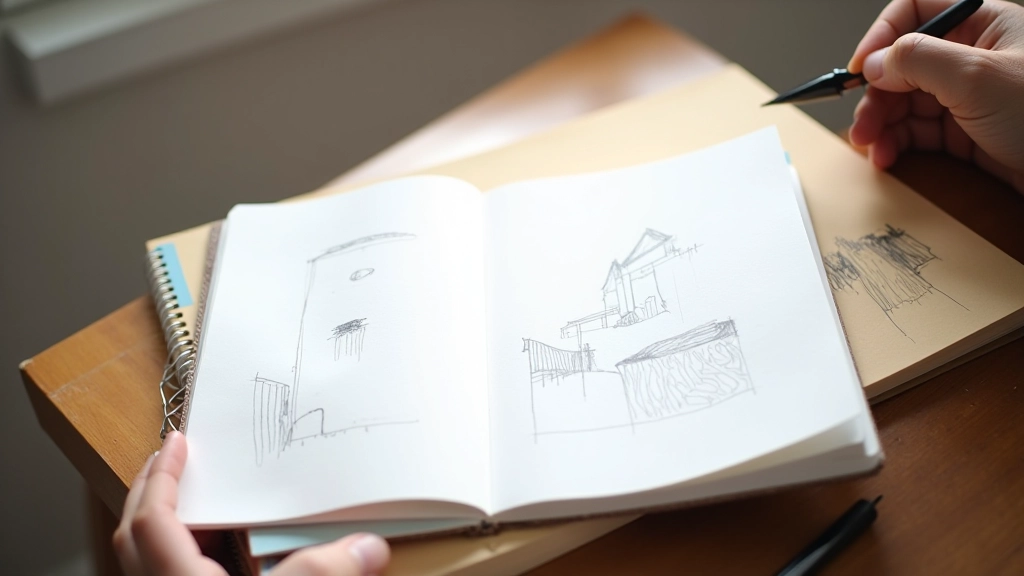
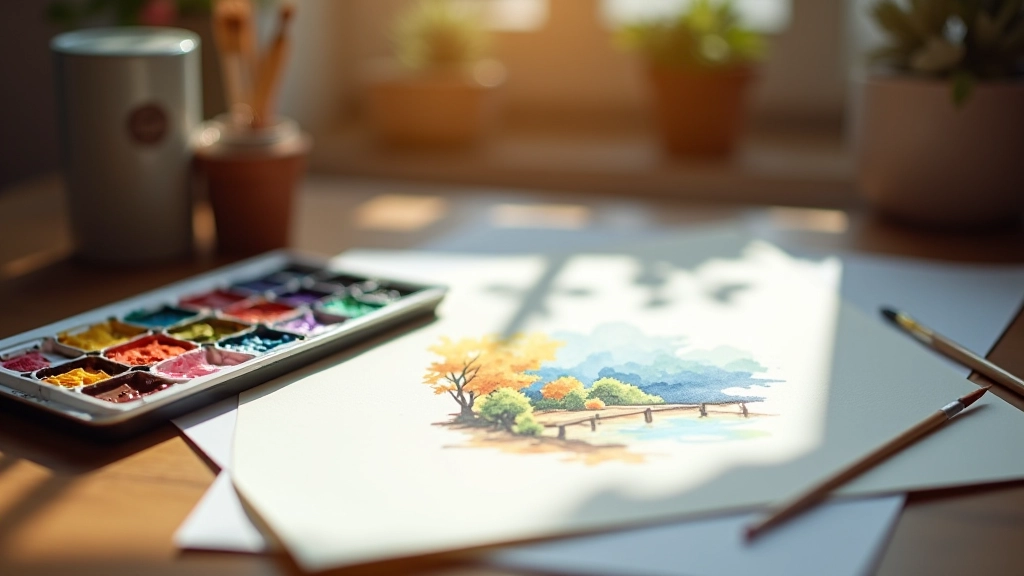
You don't need fancy equipment. Seriously. Most beginners show up thinking they need hundreds of euros worth of supplies. You don't. A basic watercolor set (even from a supermarket), a sketchbook, some brushes, and a water container will do. If you already paint at home, bring what you've got. Nobody judges gear — they judge heart.
What you do need: a way to carry stuff (a backpack works), something to sit on (bring a folding chair or even a small blanket), and weather-appropriate clothing. Liepāja's coast gets windy, especially near the water. In summer, bring sunscreen. In spring and fall, dress in layers.
Arrive 10 minutes early your first time. You'll be nervous, and that's fine. Everyone was. Find the organizer, introduce yourself, and let them know it's your first session. They'll point you toward a good spot and make sure you're not isolated.
What Actually Happens During a Session
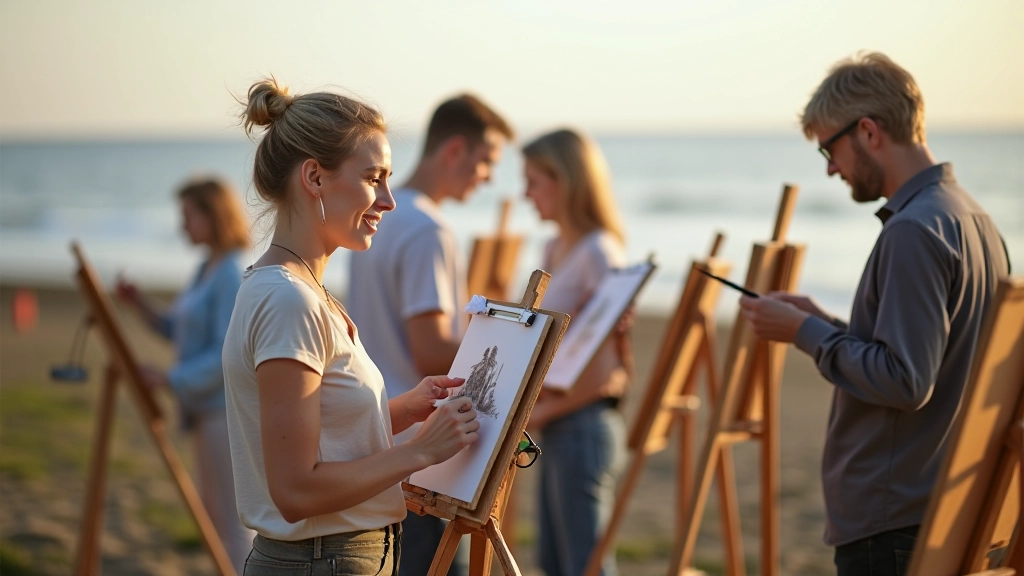
Most plein air sessions last 2-3 hours. People arrive, set up their easels or portable painting stations, and start working. There's no formal instruction — you're painting independently. But here's the thing: you're surrounded by other artists doing the same thing. If you get stuck, you can ask someone next to you how they're handling the shadows, or the reflections in water. These conversations happen naturally, organically.
Typical Plein Air Timeline
Arrival & setup (15 min): People trickle in, find their spots, organize materials.
Active painting (90-120 min): Everyone works. Some chat, some stay focused. Both are fine.
Optional sharing (20-30 min): People show finished or near-finished work. Quick comments, encouragement, sometimes tips.
You'll notice the light changes as you're painting. That's the real challenge of plein air — not matching colors perfectly, but capturing how the landscape shifts. Shadows move. Colors warm up or cool down. Your painting becomes a moment frozen in time, not a photo. That's what makes it special.
Unwritten Rules of Plein Air Groups
There aren't many rules, but there are some understandings. Don't hover over someone else's shoulder while they're painting — it's distracting. If someone asks for feedback, give honest but kind comments. "The colors feel a bit muted" is better than "that's not right." Bring your own water and supplies — don't borrow without asking. If the group has a meeting location or time, show up consistently if you're committed. Groups need regulars to stay alive.
One thing you'll appreciate: there's zero judgment here. Beginners and experienced painters sit side by side. Nobody's competing. If you finish a painting and it looks nothing like what you were aiming for — that's just part of plein air. Everyone's been there. You laugh, learn something, and try again next week.
From Session to Friendship
After your second or third session, you'll start recognizing faces. That person who always paints the water first. The older woman with the incredible color sense. The guy who's been practicing for only a few months but improves visibly each week. These people become your art community. You'll exchange phone numbers, maybe grab coffee after a session. Some groups organize additional activities — gallery visits, indoor painting workshops during winter, or group dinners.
The real value isn't just the painting. It's having people who understand why you spend hours trying to capture morning light, or why you'll drive across the city to paint a specific tree in a specific season. That's something non-artists don't always get. Your art community gets it immediately.
"I started coming to the Tuesday sessions thinking I'd improve my technique. That happened, sure. But what I didn't expect was finding a group of people who genuinely cared about my work and showed up week after week. It's like having a second family."
A Note on Expectations
Group dynamics vary. Some communities are very organized with scheduled locations and times. Others are more casual — people message in a group chat and decide last-minute where to meet. Neither is better or worse. They're just different. Your first few sessions might feel awkward. That's normal. Most artists say they felt out of place initially but found their rhythm after 3-4 meetings. If one group's vibe doesn't match yours, there are usually alternatives in Liepāja. Give it time before deciding it's not for you.
Take the First Step
Joining an art community is simpler than you think. Find a group, show up with your basic supplies, and paint. You'll improve technically — that's almost guaranteed. But more importantly, you'll discover that creating art feels better when you're not doing it alone. That's the real gift of a plein air group.
Liepāja's art scene is welcoming. People here want to see other artists grow. So don't overthink it. Check Instagram this week, find a session happening soon, and commit to showing up. Your artistic tribe is waiting.