Why Rīga's Old Town Is Perfect for Sketching
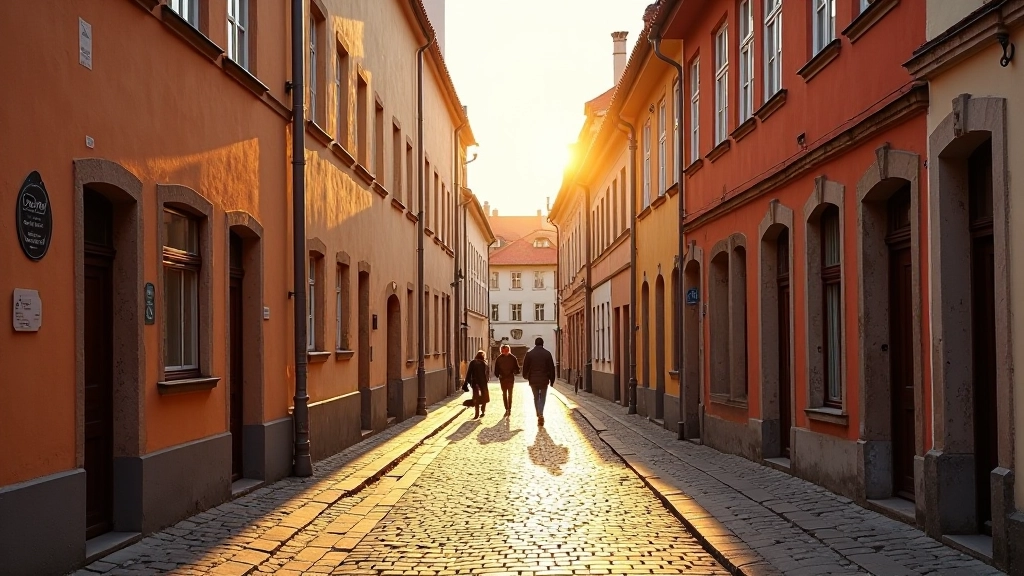
There's something magical about drawing the crooked rooflines and narrow cobblestone streets of Rīga's Old Town. You've got centuries of architecture packed into a few square blocks — medieval guild houses, baroque facades, tiny courtyards tucked between buildings. Every corner gives you something different to draw.
The thing is, it's not just pretty. The light changes constantly here. Morning sun hits the cathedral spire differently than afternoon shadows in Livu Square. If you spend even an hour sketching, you'll notice how the same street looks completely different depending on when you're there.
Quick Sketching Techniques That Actually Work
Urban sketching isn't about perfect drawings. It's about capturing a moment fast before light changes or crowds shift. Here's what works in practice:
Start with basic shapes
Don't sketch every detail of a building. Break it into rectangles, triangles, circles. A church becomes a triangle on top of a box. Once you've got the proportions right in 2-3 minutes, then add details if you want.
Use a single focal point
Don't try to draw everything. Pick one building or corner. Sketch it in detail. Everything else gets lighter, simpler lines. This creates depth and keeps you from getting overwhelmed.
Work quickly with pen first
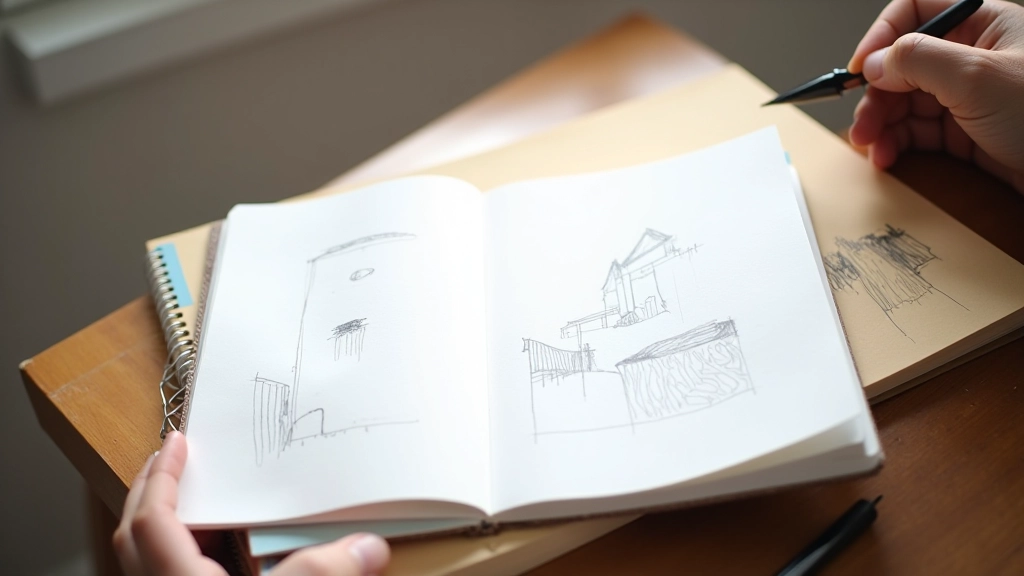
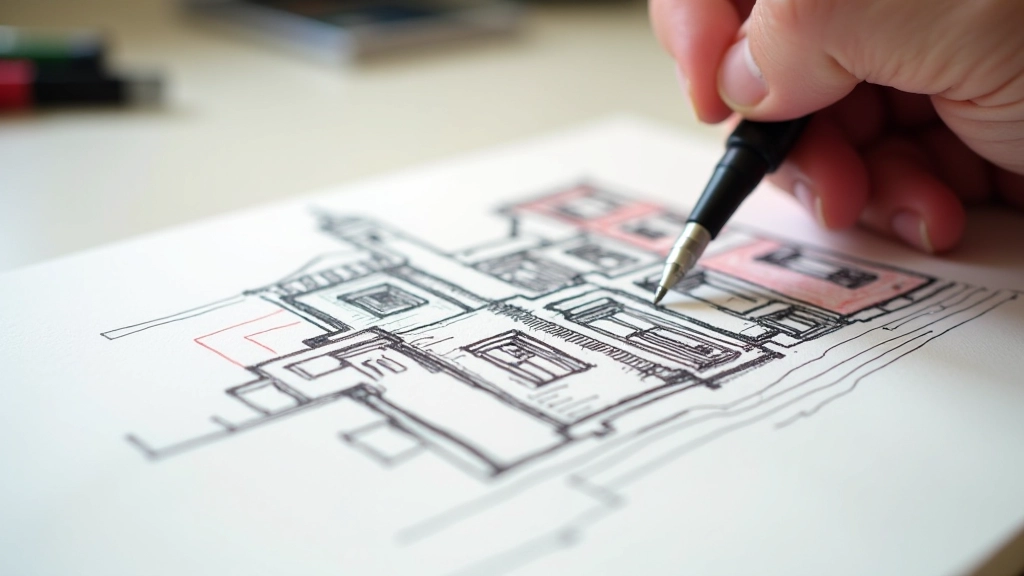
Yeah, pen. No erasing. Forces you to be decisive. Use a 0.5mm or 0.7mm black pen, and you'll sketch faster because there's no going back. You commit to lines, which creates energy in the drawing.
Essential Gear — Less Is More
You don't need a lot. I've seen people produce stunning sketches with literally a pencil and paper. But here's what actually makes a difference:
A hardbound sketchbook (A5 or A4 size) is your foundation. Moleskine, Canson, Strathmore — doesn't matter much. What matters is paper weight. Go for 120gsm or heavier so ink doesn't bleed through. You're probably looking at 15-25 euros for a decent pad.
For pens, get a 0.5mm black fine-liner (Micron or Staedtler are solid) and maybe a thicker 1.0mm for bolder lines. Add a 2B pencil for initial sketches. That's three euros total, maybe four. Colored markers help but aren't necessary — most urban sketchers stick to black ink and watercolor washes if they want color.

About This Guide
This article is educational information about urban sketching techniques and practices in Rīga Old Town. Individual results vary based on experience, practice frequency, and personal learning pace. Sketching is a skill that develops over time with consistent practice. Always respect local property, privacy, and any site-specific rules when sketching in public spaces.
Where to Sketch in Old Town
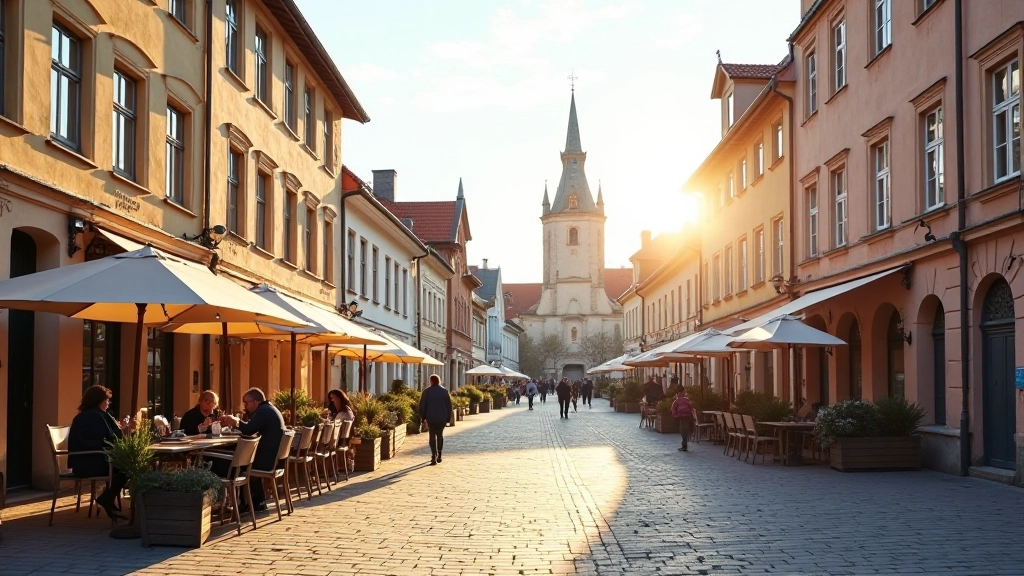
Livu Square is the obvious choice — you've got that iconic view of St. Peter's Church and crowds of people, which means lots of subjects. But it gets packed, especially afternoons.
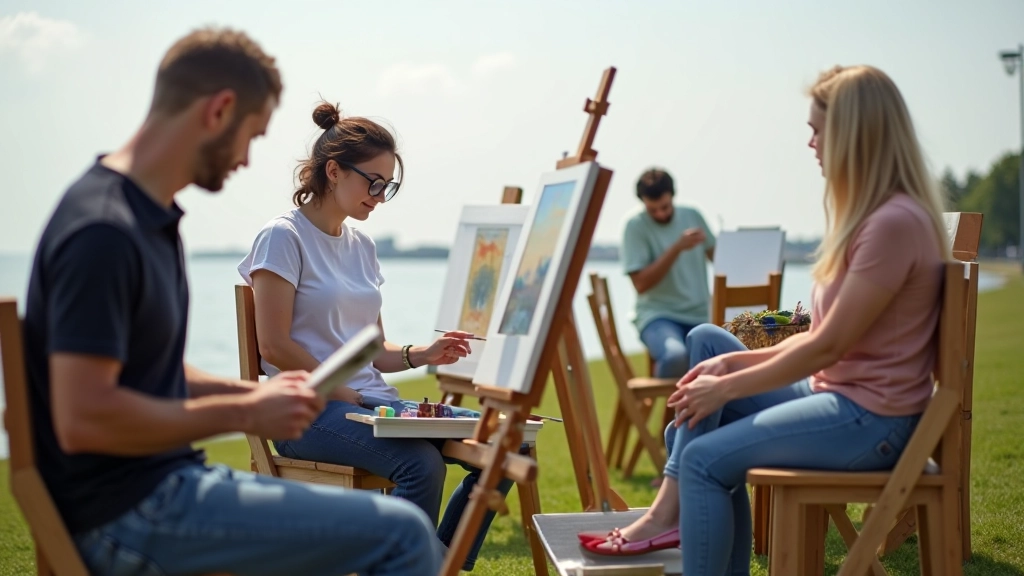
Better spots: The quiet corners around Jauniela Street have fewer tourists and more interesting architecture. The narrow lanes behind the Dome Cathedral are great for close-up sketches of doorways and windows. If you want water reflections, head to the Daugava riverbank — you'll get Old Town buildings reflected in the water, which adds another dimension to your sketches.
Early mornings work best. You're there before 9 a.m., light's soft, streets are quiet. You can sit with your sketchbook for 45 minutes without being jostled by tour groups. Plus, the long shadows from early light create natural contrast that makes sketching easier.
Moving From Quick Sketches to Finished Pieces
Urban sketches are done on location, which means they're rough. Loose lines, unfinished details, sometimes just the basic outline. That's the whole point — you're capturing a moment, not creating a museum piece.
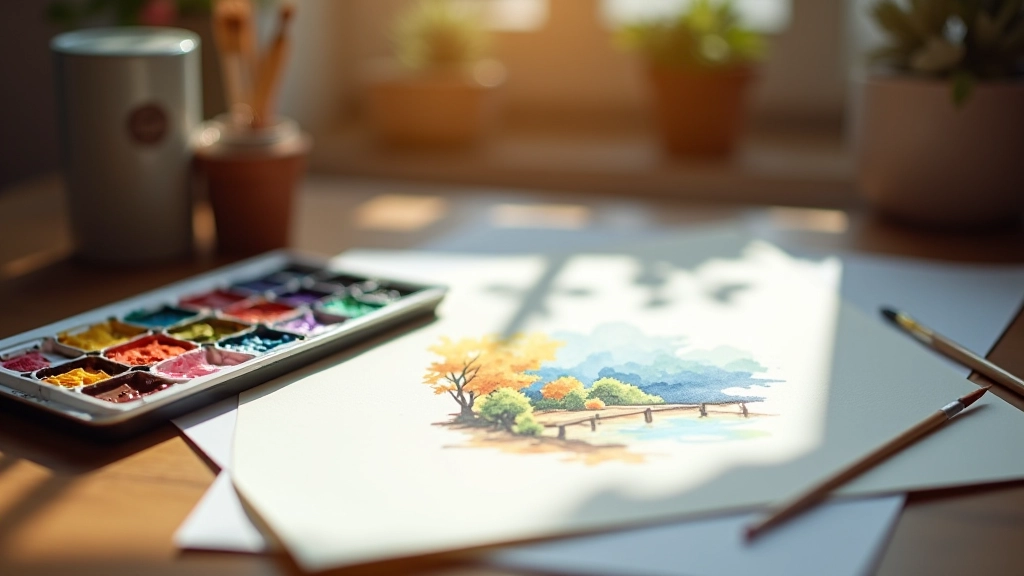
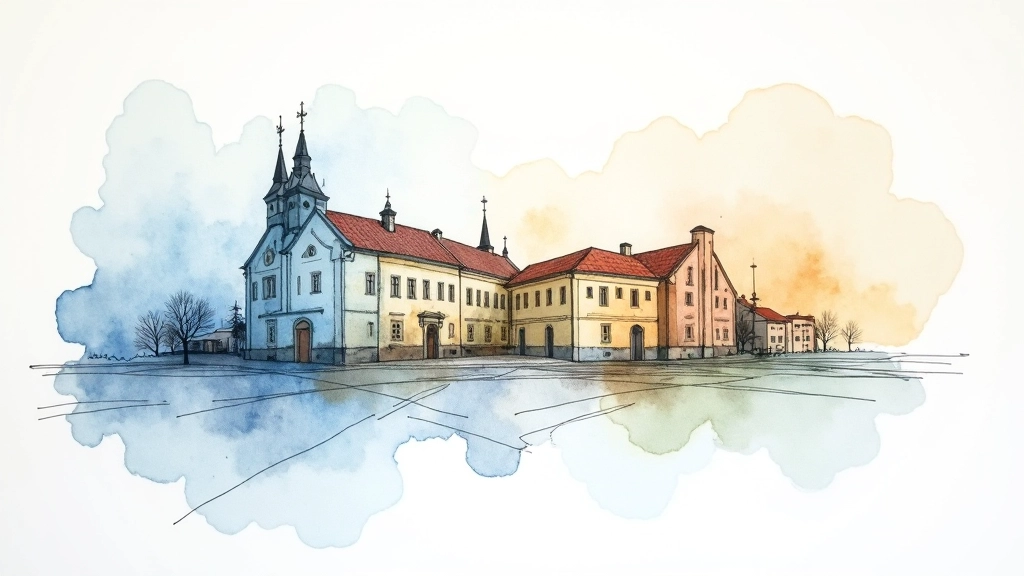
But if you want to develop sketches further, you've got options. Back at home, you can add watercolor washes. Spend an hour with your sketch and a set of watercolors, and suddenly those quick pen lines become atmospheric paintings. The pen drawing keeps the energy, watercolor adds depth and mood.
Or just scan your sketches and refine them digitally. Some sketchers add details, fix proportions, build backgrounds. It's a different skill, but it extends the life of your quick drawings. Either way, your urban sketches become the foundation for bigger work.
Start Sketching This Week
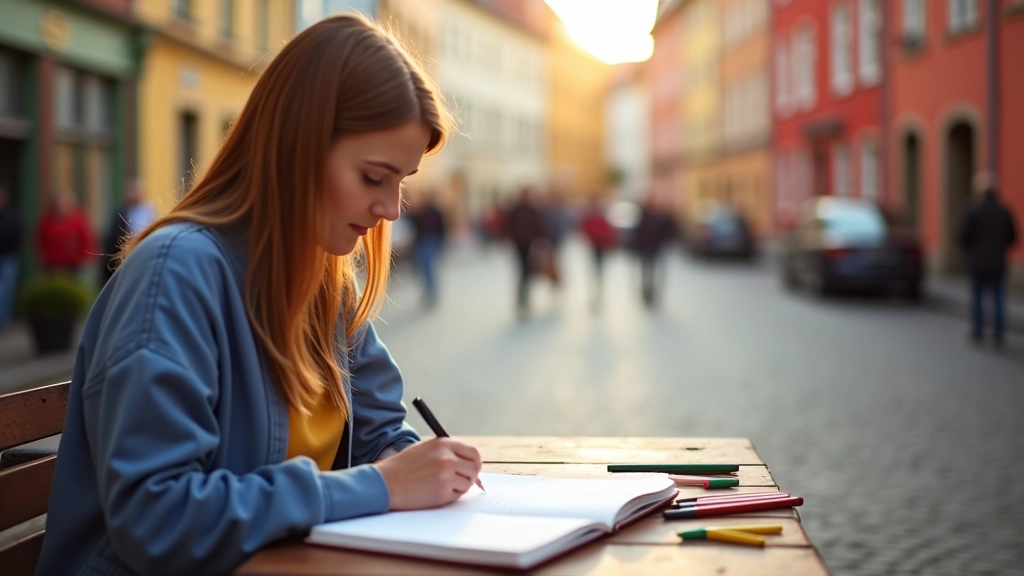
You don't need permission to start. You don't need to be good at drawing. You just need a notebook, a pen, and 30 minutes in Rīga Old Town. Pick a corner you like. Sit down. Draw what you see.
The architecture won't judge you. The light will be beautiful regardless of whether your perspective is perfect. You'll spend an hour noticing things you've walked past a hundred times. That's worth it.
Come back next week. Bring the same notebook. Sketch the same spot. Watch how different it looks in different light, different seasons, different moods. That's where real growth happens — not in one perfect drawing, but in showing up repeatedly and paying attention.