Latvia's landscapes are a watercolorist's dream. The dense forests, winding rivers, and dramatic seasonal shifts offer endless inspiration. Whether you're painting the golden light of summer through pine trees or the moody grays of winter skies, watercolor is the perfect medium to capture these moments. It's forgiving, expressive, and requires less equipment than many other painting styles.
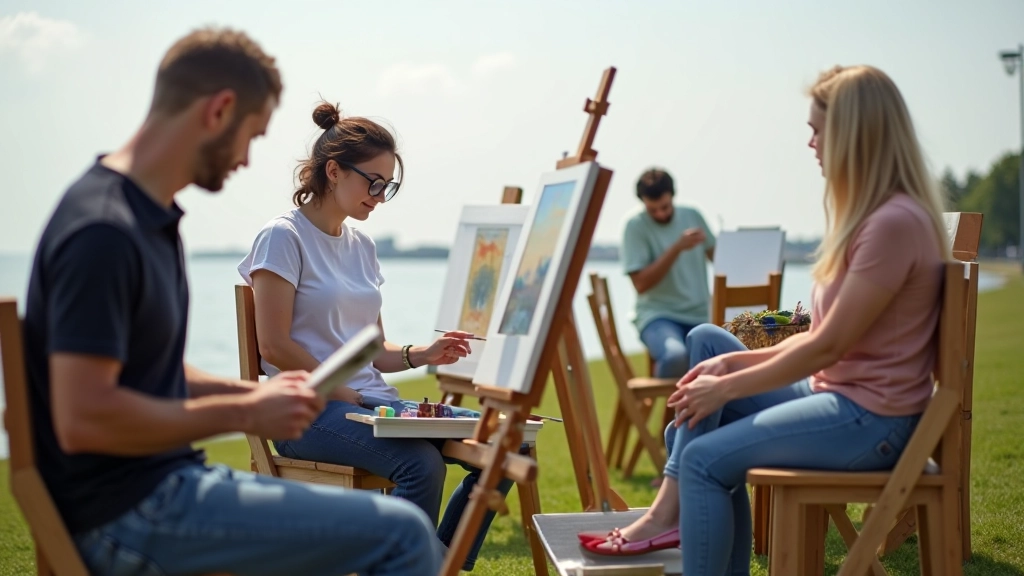
This guide walks you through the essential techniques, from basic washes to advanced glazing methods. You'll learn how to work with Latvia's unique color palette—the deep greens, soft blues, and warm earth tones that define our landscape. We'll cover practical approaches you can use whether you're painting in a studio or working plein air (painting outdoors on location).
Understanding Watercolor Fundamentals
Before diving into landscapes, you need to understand how watercolor behaves. Unlike oils or acrylics, watercolor works from light to dark. You'll start with the lightest washes and build up layers, never adding white paint (except for gouache techniques). The paper itself becomes your brightest areas.
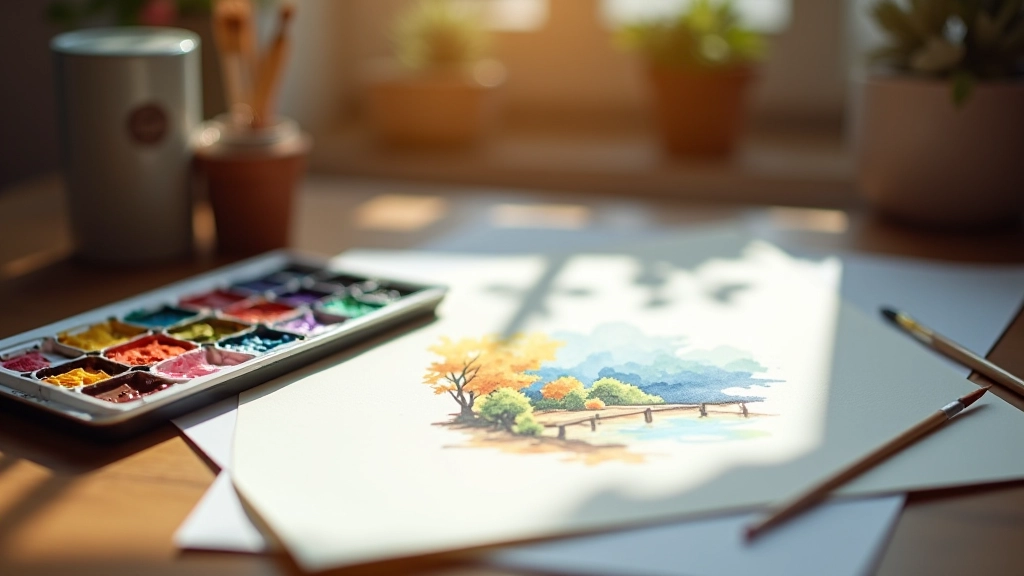
Transparency is your greatest tool. Layering thin glazes creates depth and luminosity that feels natural. A forest isn't painted with one solid green—it's built from multiple transparent layers of different greens, blues, and browns. This is what gives watercolor paintings their distinctive glow.
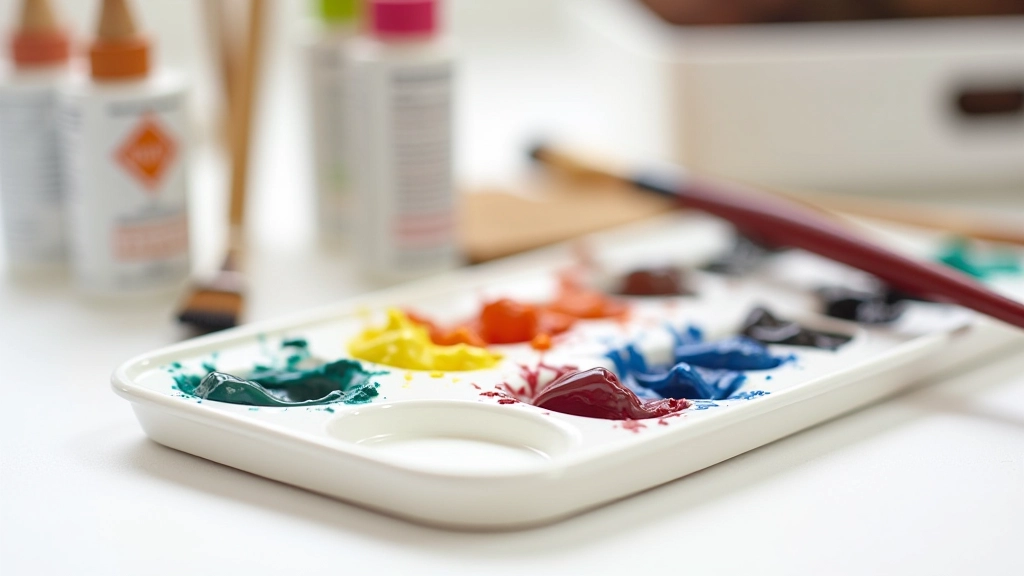
You'll want three basic pigments to start: ultramarine blue, burnt sienna, and cadmium yellow. These mix beautifully into nearly any landscape color you'll need. Add alizarin crimson when you're ready for more control over your warm tones. Quality matters—student-grade paints are fine for learning, but professional pigments mix more smoothly and last longer.
Core Techniques for Landscape Work
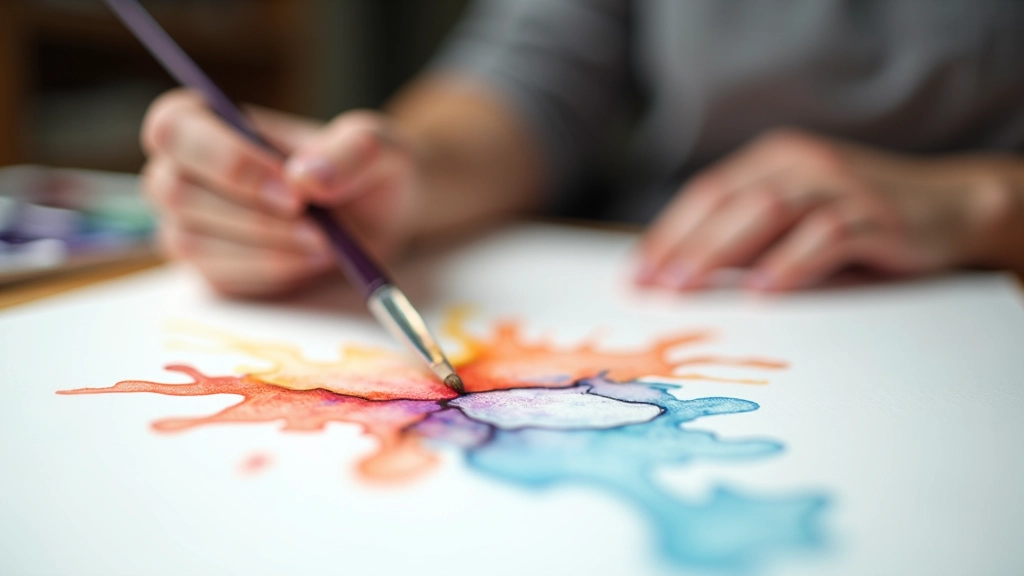
Wet-on-wet is the foundation of landscape painting. You wet your paper completely, then drop in color while it's still wet. The pigments flow and blend naturally, creating soft edges perfect for skies and water. Start light—you can always add more. Many painters ruin pieces by overworking the wet stage.
Glazing builds depth. Once a layer is completely dry (and this matters), you'll layer transparent washes on top. This creates the feeling of atmosphere and distance. A distant forest becomes softer and more blue because of the air between you and it. Glazing lets you mimic this naturally.
Dry brush adds texture. When your brush has less water and thicker paint, dragging it across paper creates visible brushstrokes—perfect for tree bark, grass texture, or rocky ground. It's your texture tool.
Lifting is underrated. A damp, clean brush can lift pigment off wet paper, creating highlights and softening edges. It's how you create light breaking through clouds or reflections in water without using white paint.
Latvia's Signature Color Palette
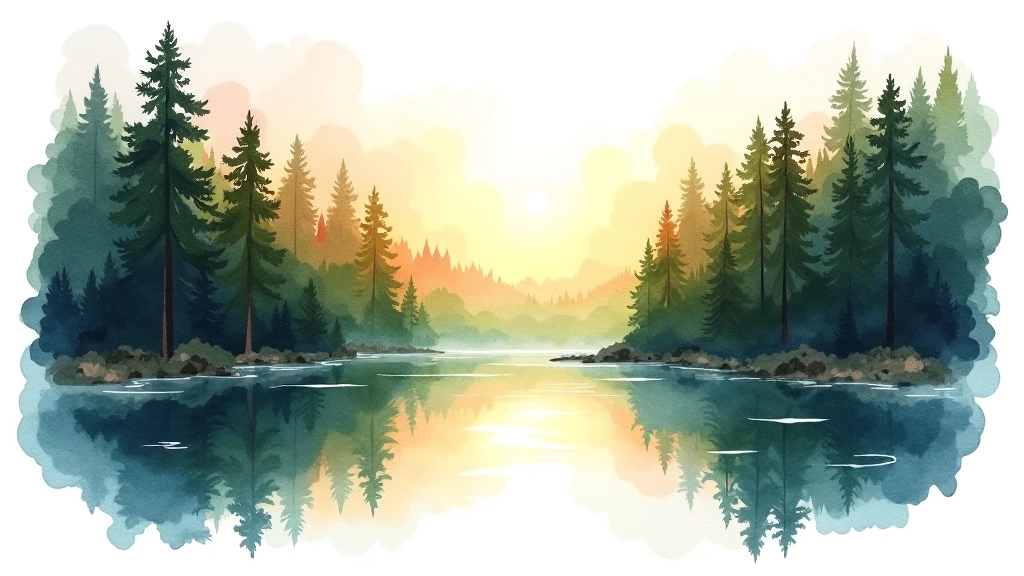
Latvia's landscape colors are distinct. Spring brings pale yellows and soft greens. Summer deepens to rich forest greens and warm ochres in fields. Autumn explodes with russets, burnt oranges, and deep crimsons mixed with golds. Winter strips everything back to cool blues, grays, and the warm browns of bare branches.
The light here is distinctive too. Summer light is golden and low-angled, even in midday. Winter light is thin and cool. Spring and autumn light is changeable, shifting between warm and cool within hours. This unpredictability is what makes Latvian landscapes endlessly interesting to paint.
Start a color reference collection. Photograph landscapes in different seasons and light conditions. Note the colors you see—not what you think you should see. That purple in the shadows isn't actually purple; it's ultramarine mixed with burnt sienna. That golden highlight in grass isn't pure yellow; it's cadmium yellow with a touch of orange. Building this color awareness is half the battle in landscape painting.
A Practical Painting Process
Plan with Pencil
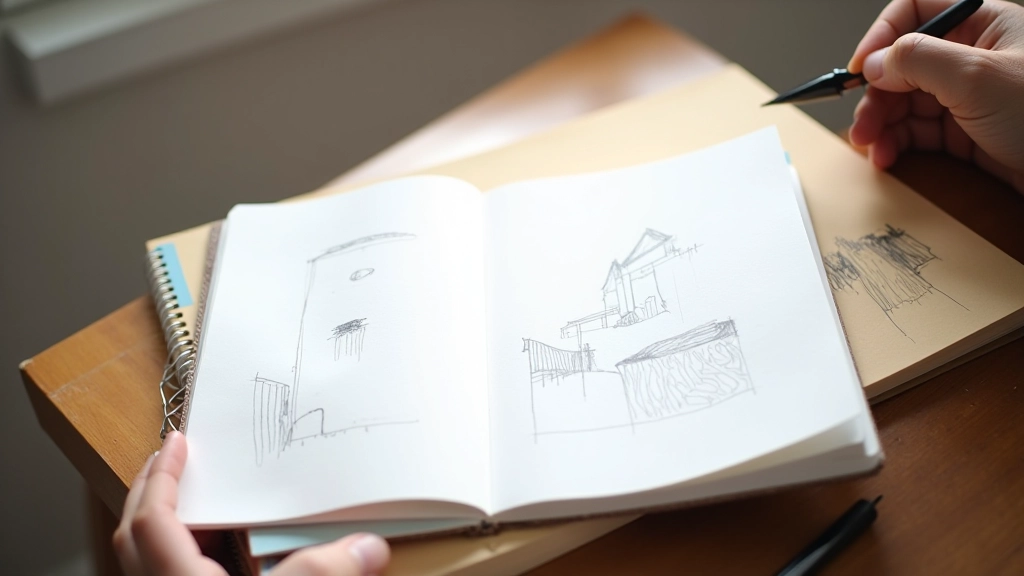
Sketch your composition lightly. Don't overwork this—watercolor should feel loose and fresh. A simple value sketch (showing light and dark areas) helps more than detailed drawing.
Wet the Paper
Use clean water and a large soft brush. Your paper should be evenly wet but not pooling. This is where you'll drop your sky and distant elements.
Establish Values
Work light to dark. Place your lightest values first, then medium tones. Leave white paper for highlights. Don't add dark values yet—that comes later.
Layer and Glaze
Once layers are dry, add transparent washes to build depth. Distant mountains become cooler and softer. Foreground details become warmer and sharper.
Add Details Last
Dry brush and dark values come at the end. Trees, rocks, texture—these final touches bring everything together. Don't overdo it. Suggestion is often more powerful than detail.
Note: Watercolor painting is deeply personal. These techniques are guidelines, not rules. Every artist develops their own approach through experimentation. The methods described here work well for many painters, but your own experience and style will ultimately guide your practice. Take what resonates with you and adapt it to your vision.
Getting Started Today
You don't need expensive materials or years of training to paint beautiful Latvian landscapes. Start with basic supplies—a small watercolor set, a few brushes, and good paper. Find a location that calls to you. It might be the Gauja River near Sigulda, a forest near Kocēni, or even a park in Rīga.
Paint what you see, not what you think you should see. The colors, the light, the feeling—capture that. Some paintings will work beautifully. Others won't. That's part of learning. After 10 paintings, you'll understand watercolor better than reading any guide. After 50, you'll have found your voice.
The landscapes aren't going anywhere. They'll be waiting for you with their changing light, their seasonal shifts, their quiet invitation to slow down and really look. That's where the real learning happens.